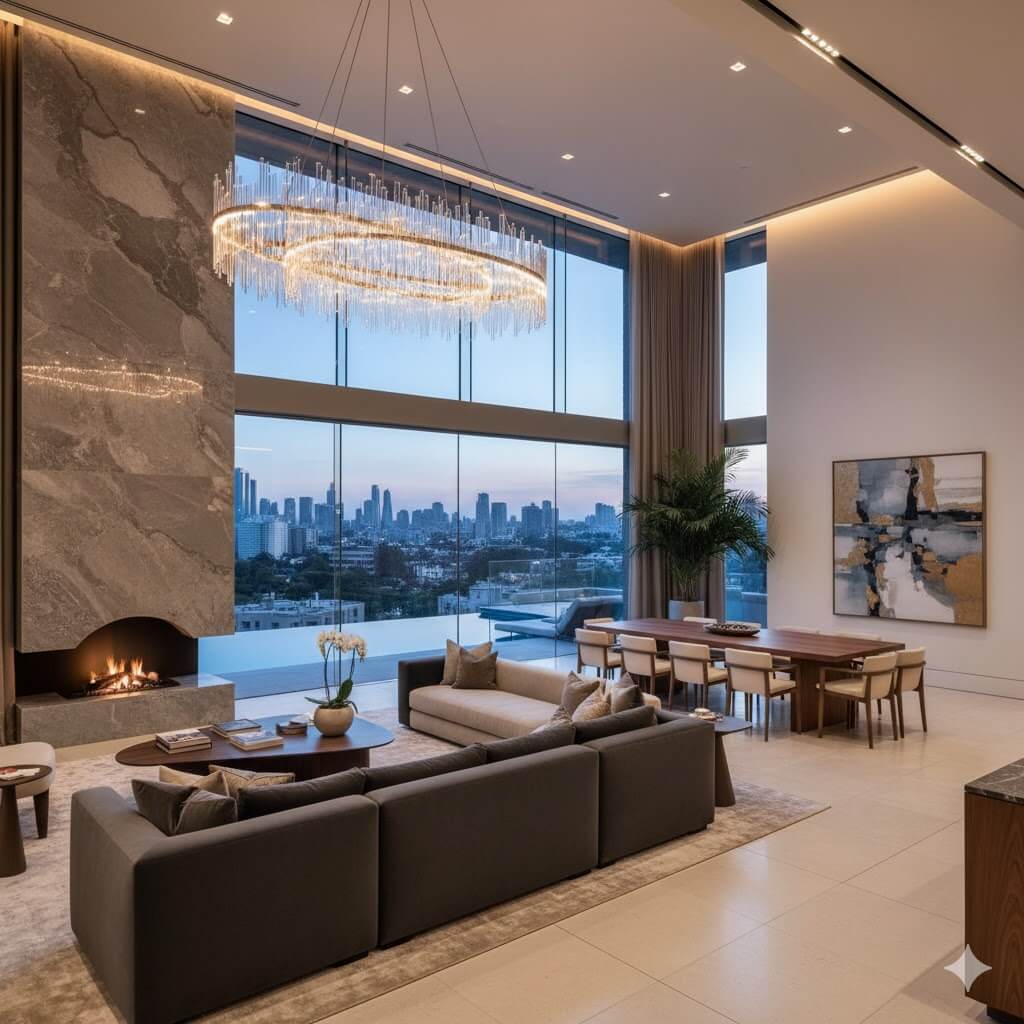
Designing a Home That Reflects Your Personality: Style Meets Comfort
Your home should tell your story. Discover how to design a home that reflects your personality, blends style with comfort, and creates a living space that feels uniquely yours.

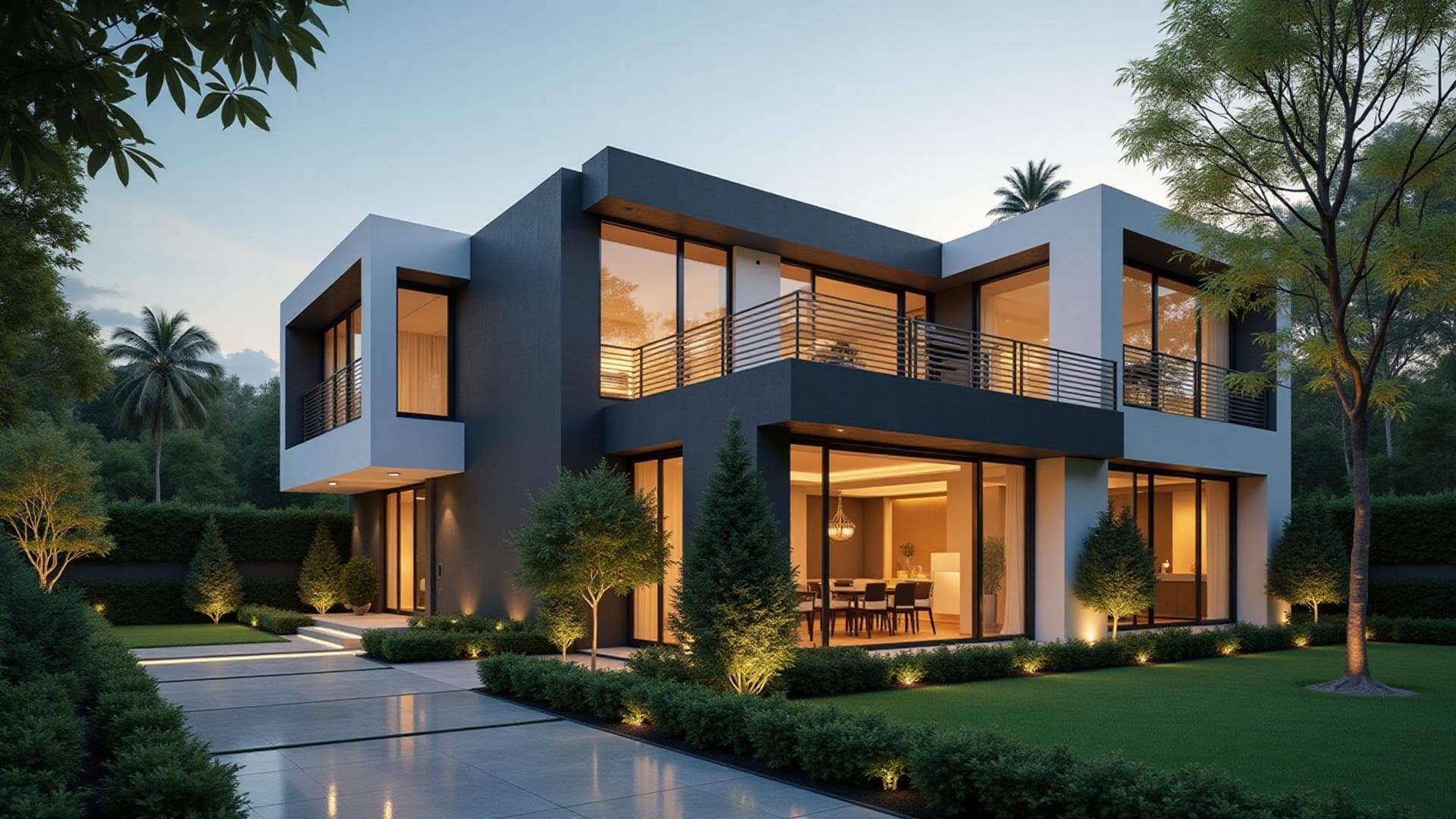
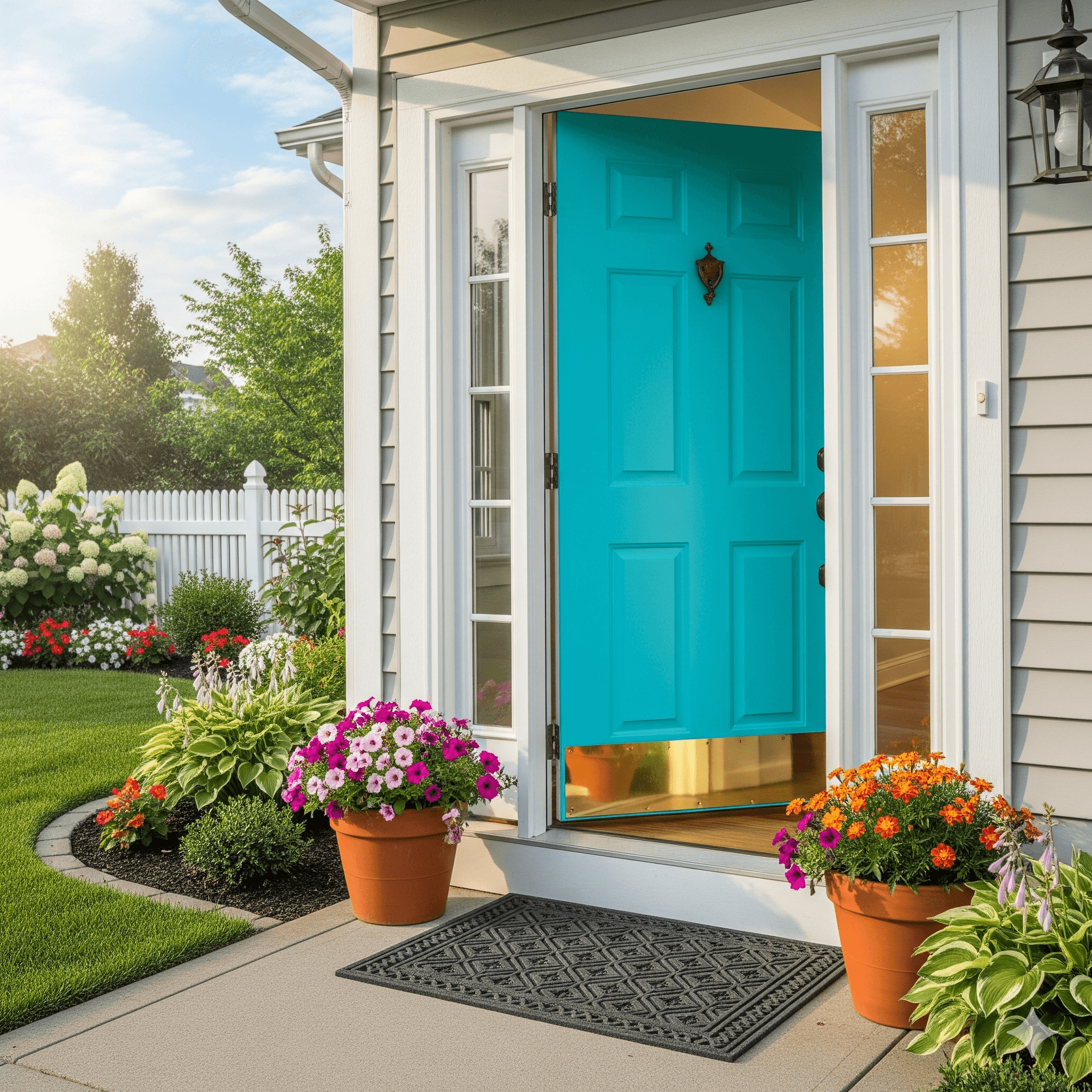
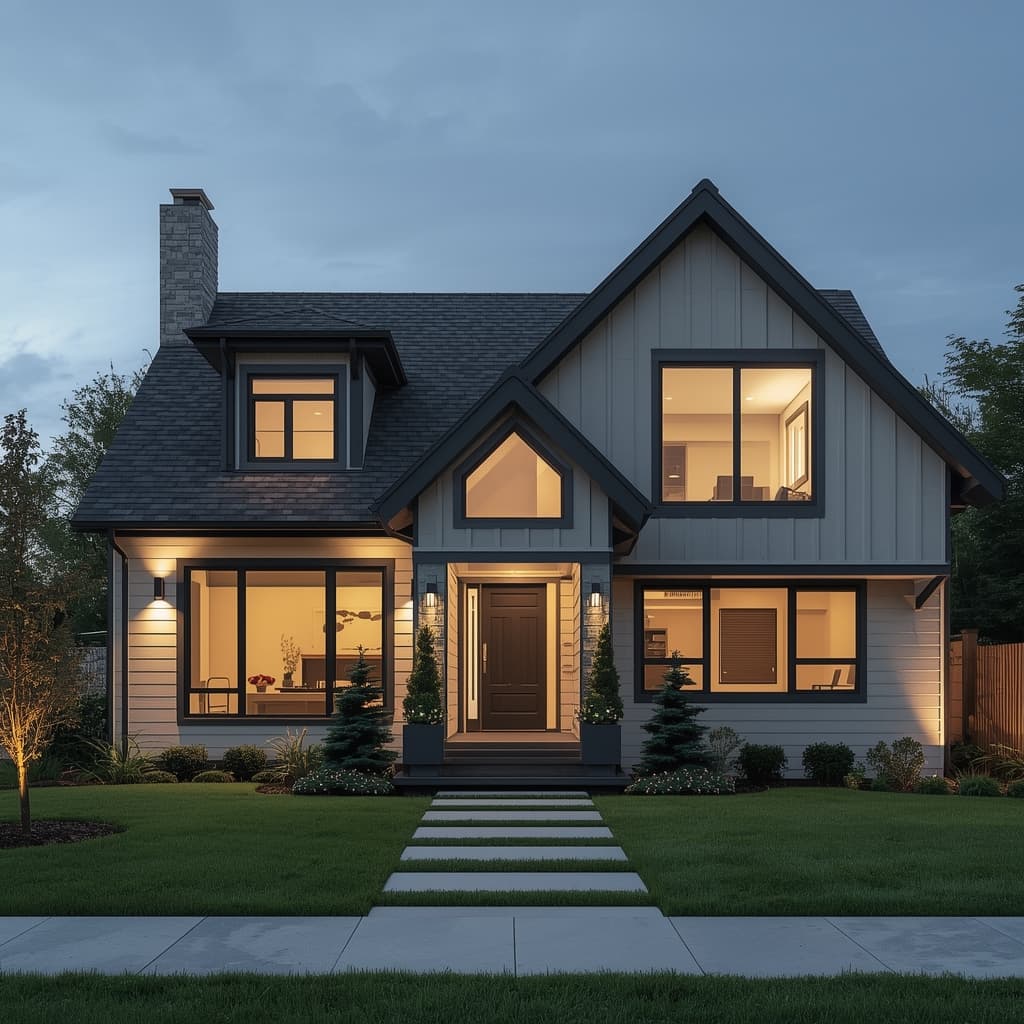
Home design goes beyond furniture and paintit's about creating a space that mirrors who you are. Every corner of your home can express your personality, preferences, and lifestyle. Whether you're minimalist, artistic, or nature-inspired, your home should balance comfort with character. Nimokey explores how to design a home that feels personal, functional, and timeless.
1. Understanding Your Style Identity
The first step in designing a home that reflects your personality is understanding your unique style. Think about how you want your home to feelcalm, vibrant, cozy, or luxurious.
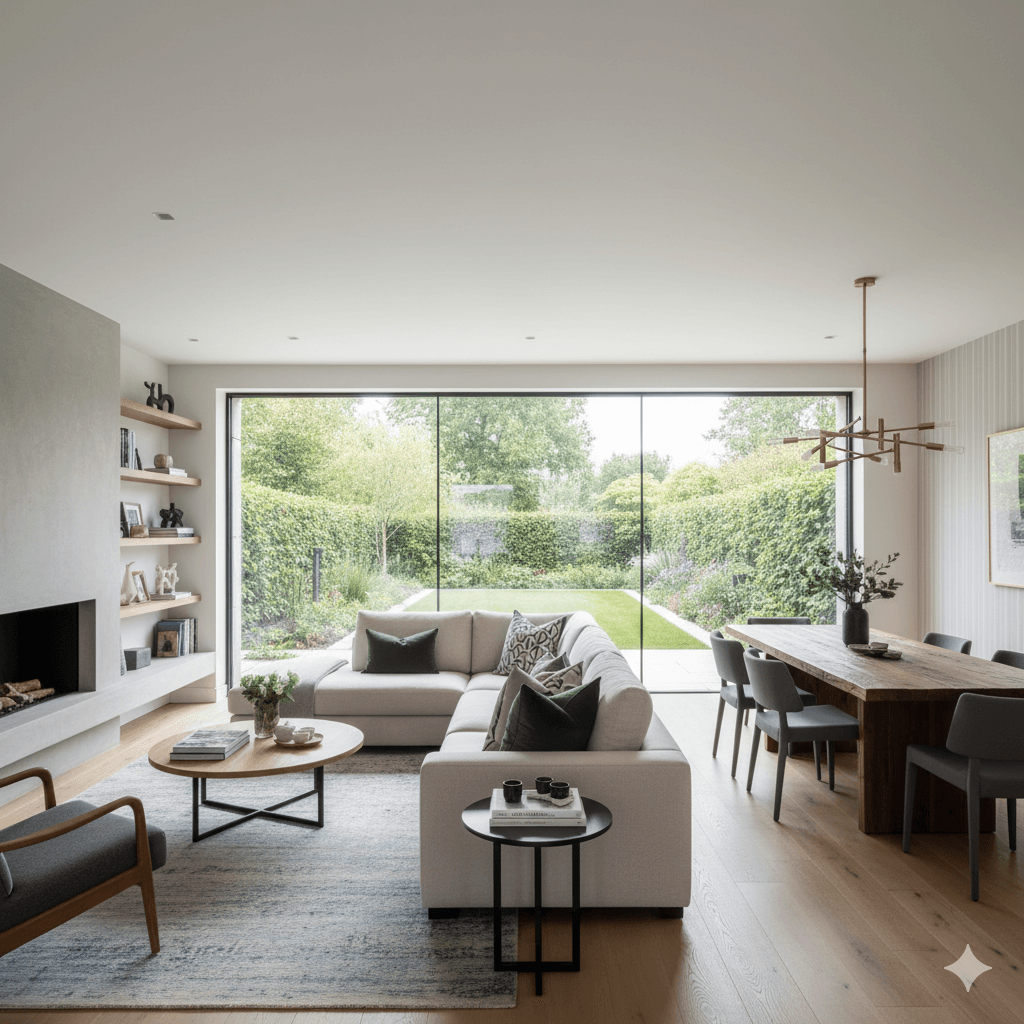
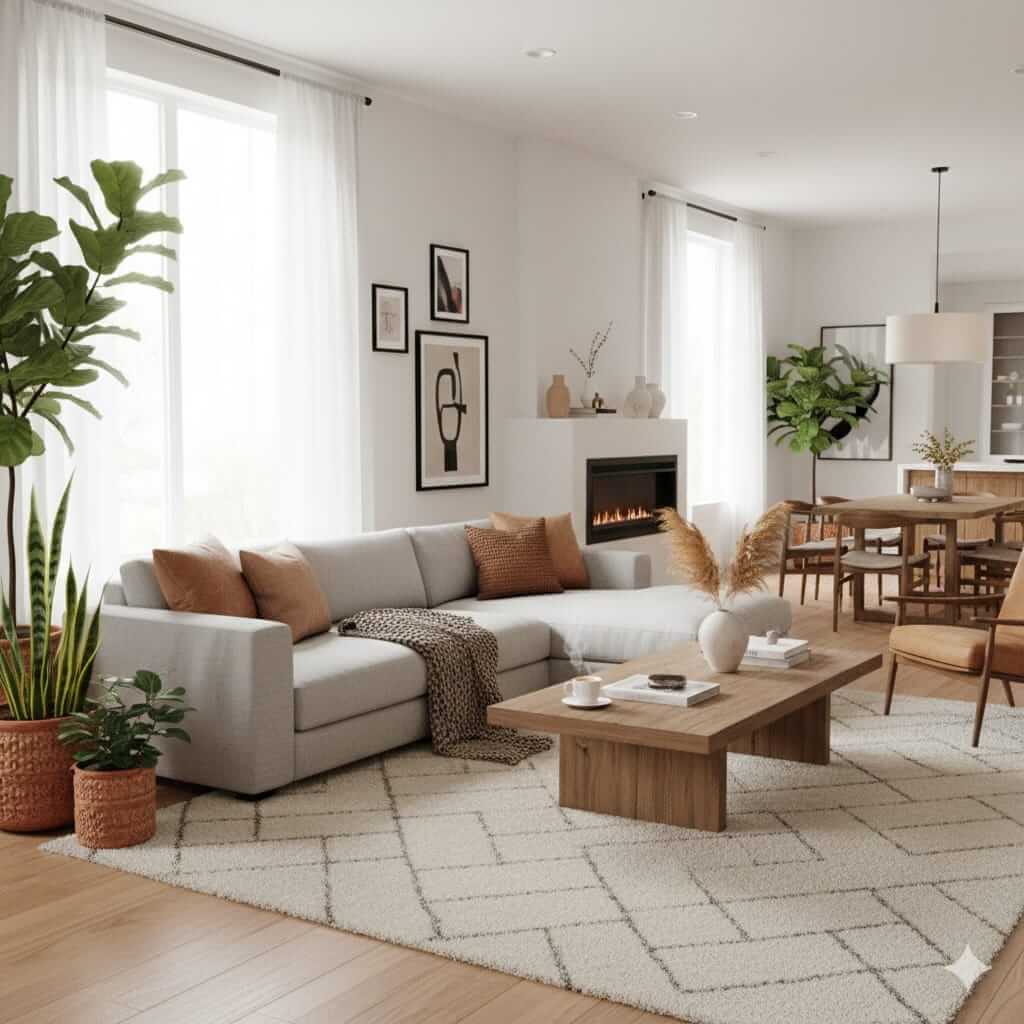
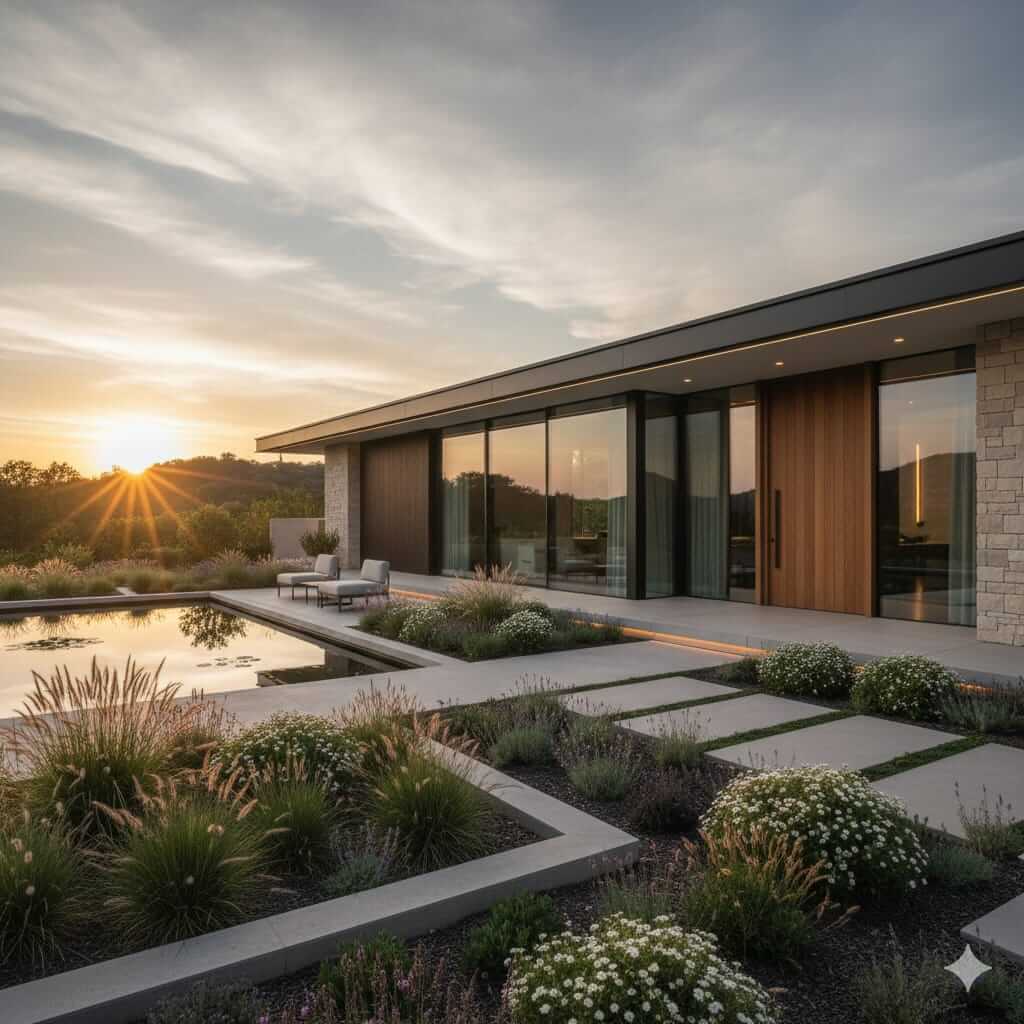
- Minimalist: Clean lines, neutral tones, and clutter-free spaces for those who value simplicity.
- Bohemian: A colorful mix of patterns, textures, and travel-inspired decor.
- Modern Classic: A blend of sophistication and comfort with statement pieces.
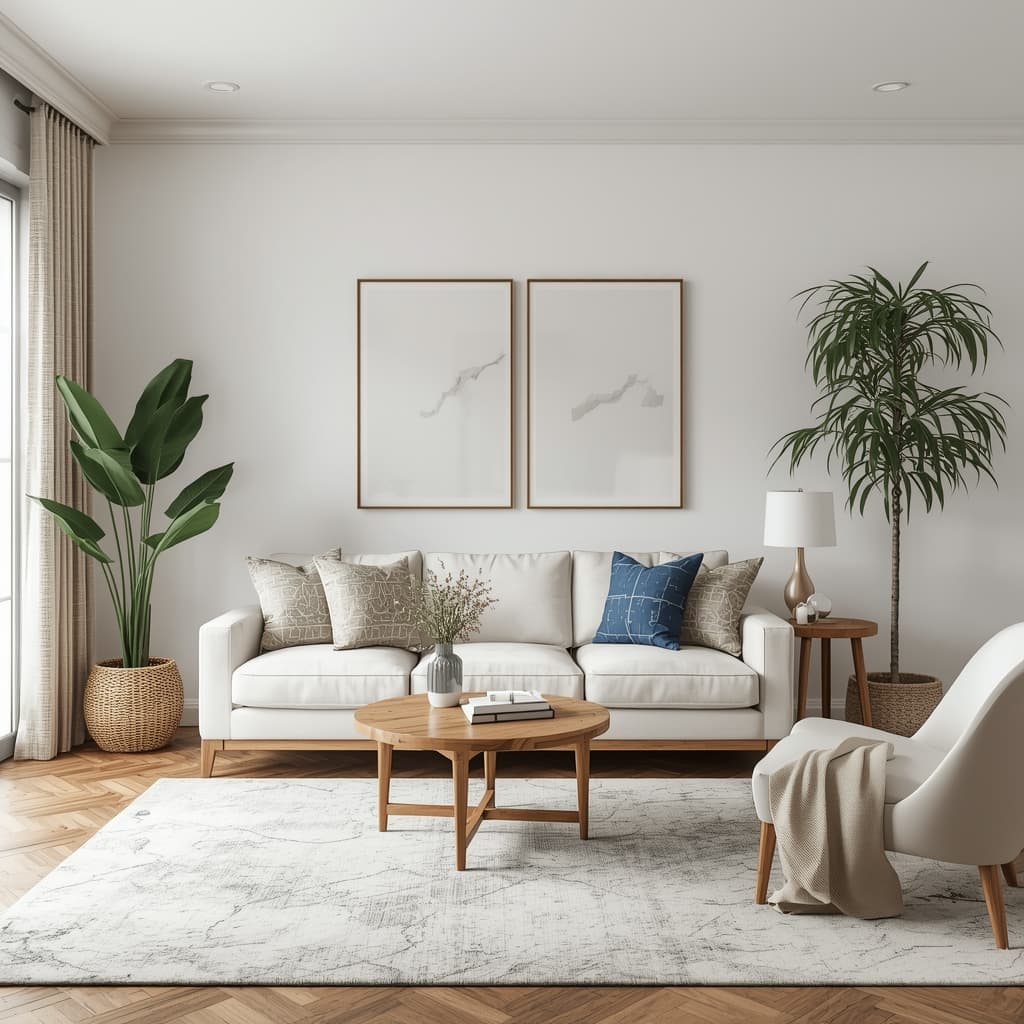
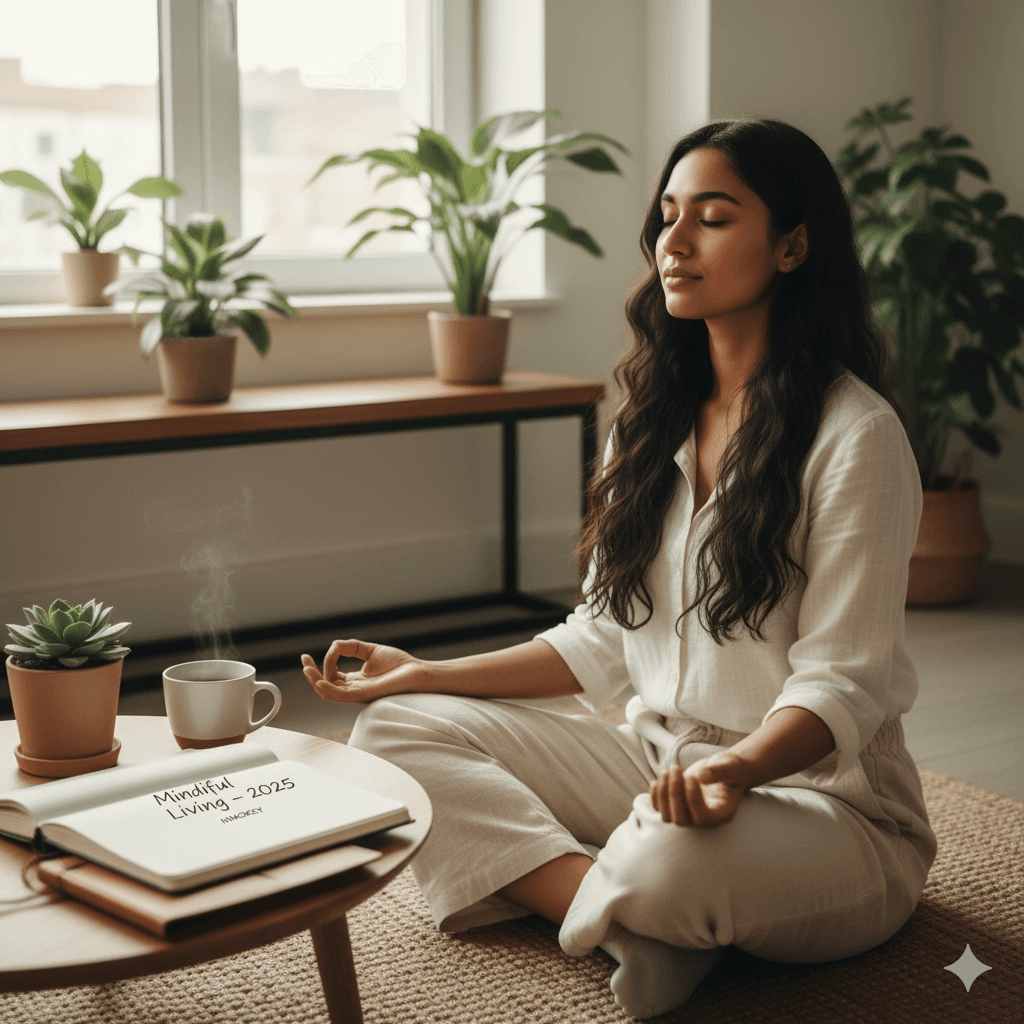
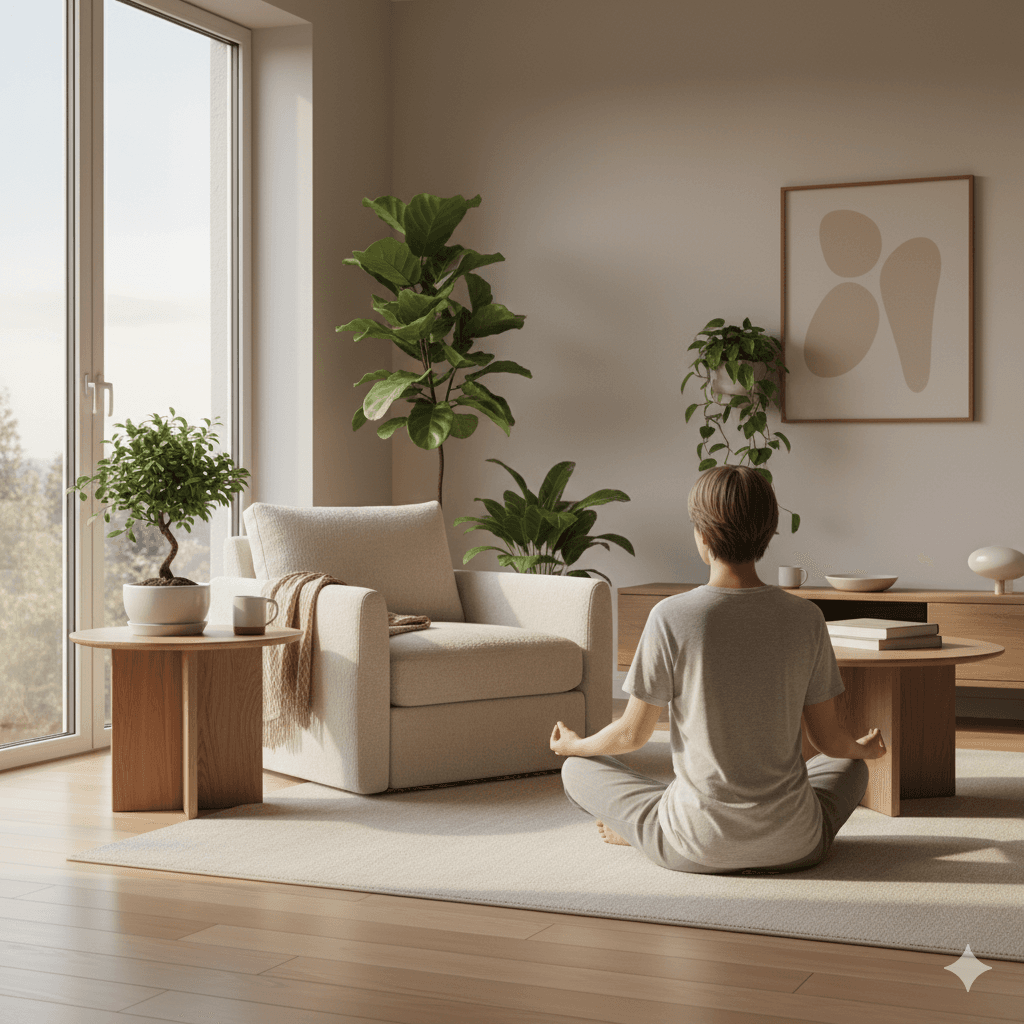
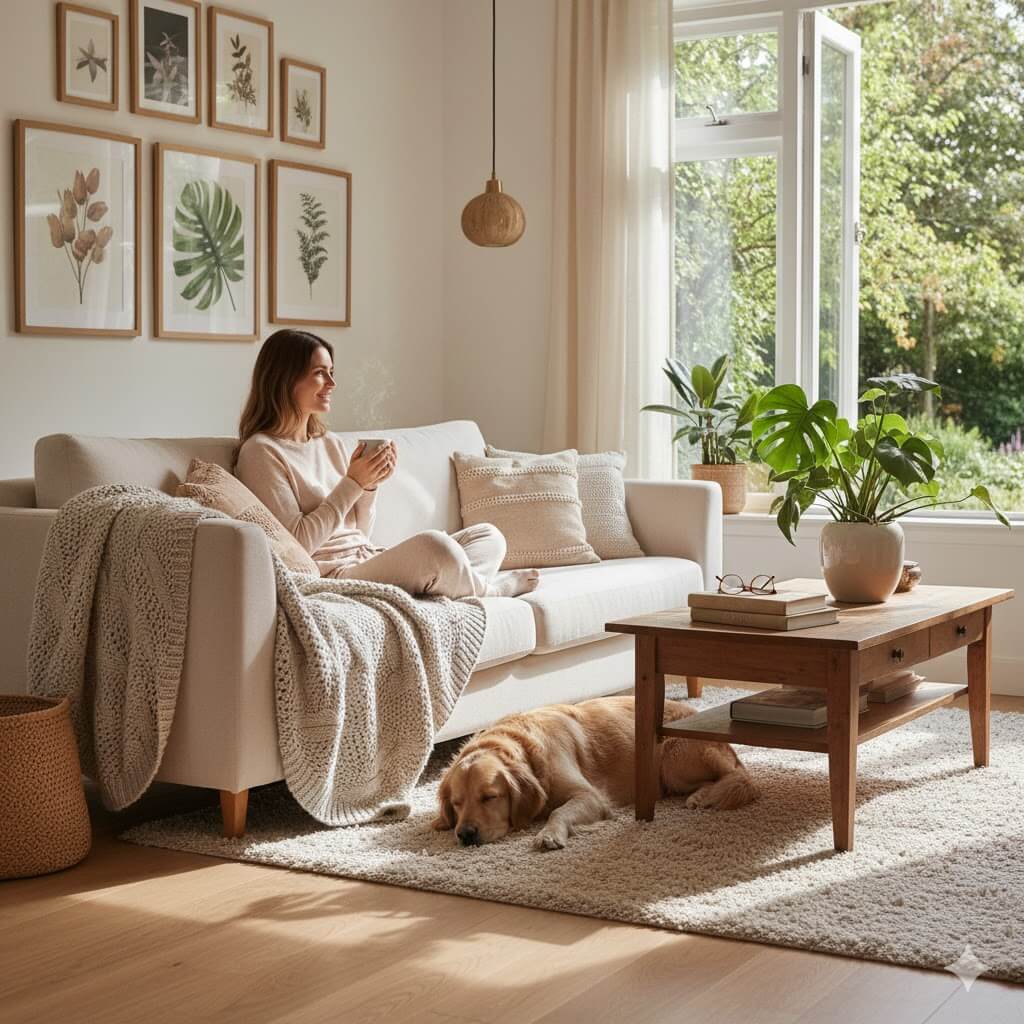
- Nature-Inspired: Wooden finishes, earthy tones, and indoor plants for a serene feel.
2. Choose a Color Palette That Reflects You
Colors influence mood and ambiance. Choose hues that resonate with your emotions and daily energy.
- Warm Tones: Reds, oranges, and yellows create lively and welcoming environments.
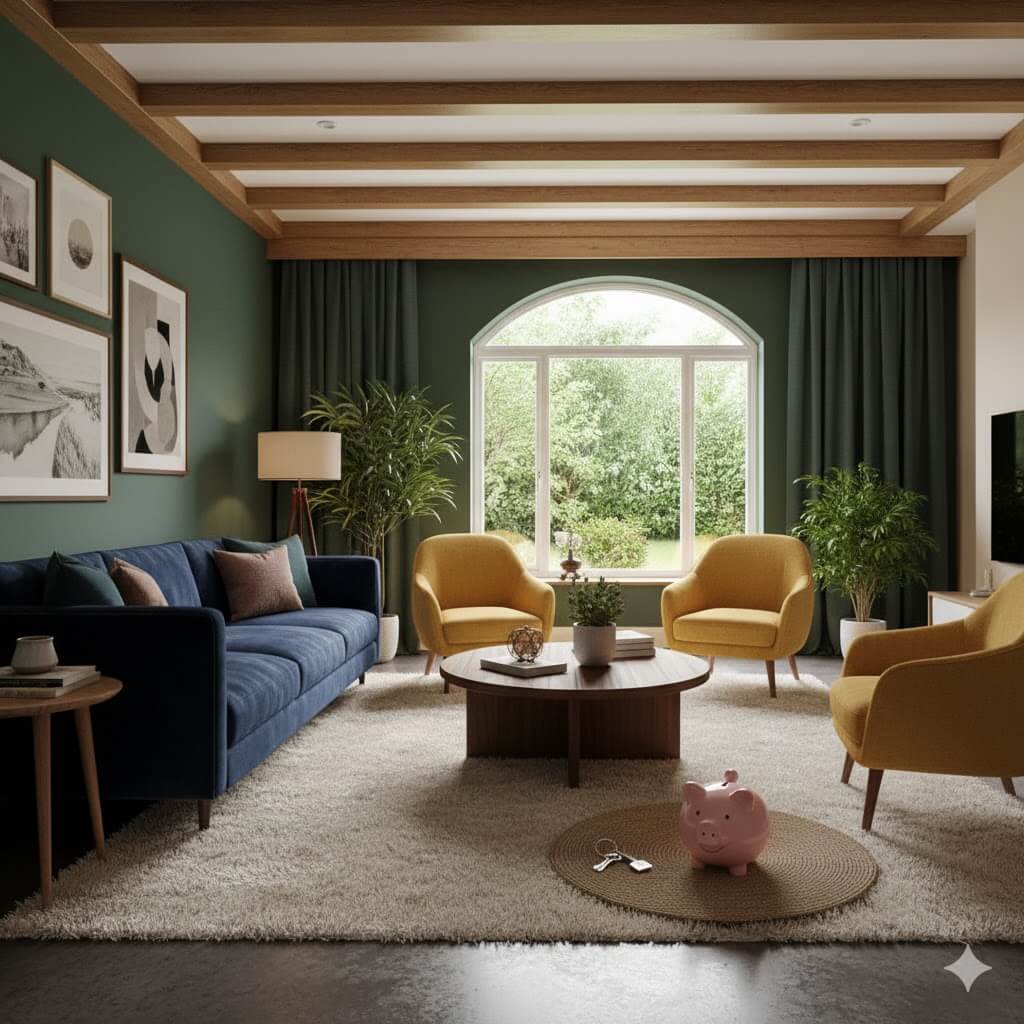
- Cool Shades: Blues and greens bring calmness and balance.
- Neutral Base: Whites, beiges, and greys make rooms versatile and timeless.
3. Mix Comfort with Functionality
Personal style is not just about aestheticsit's also about comfort. Prioritize furniture and layouts that support your lifestyle.
- Invest in ergonomic furniture and soft furnishings.
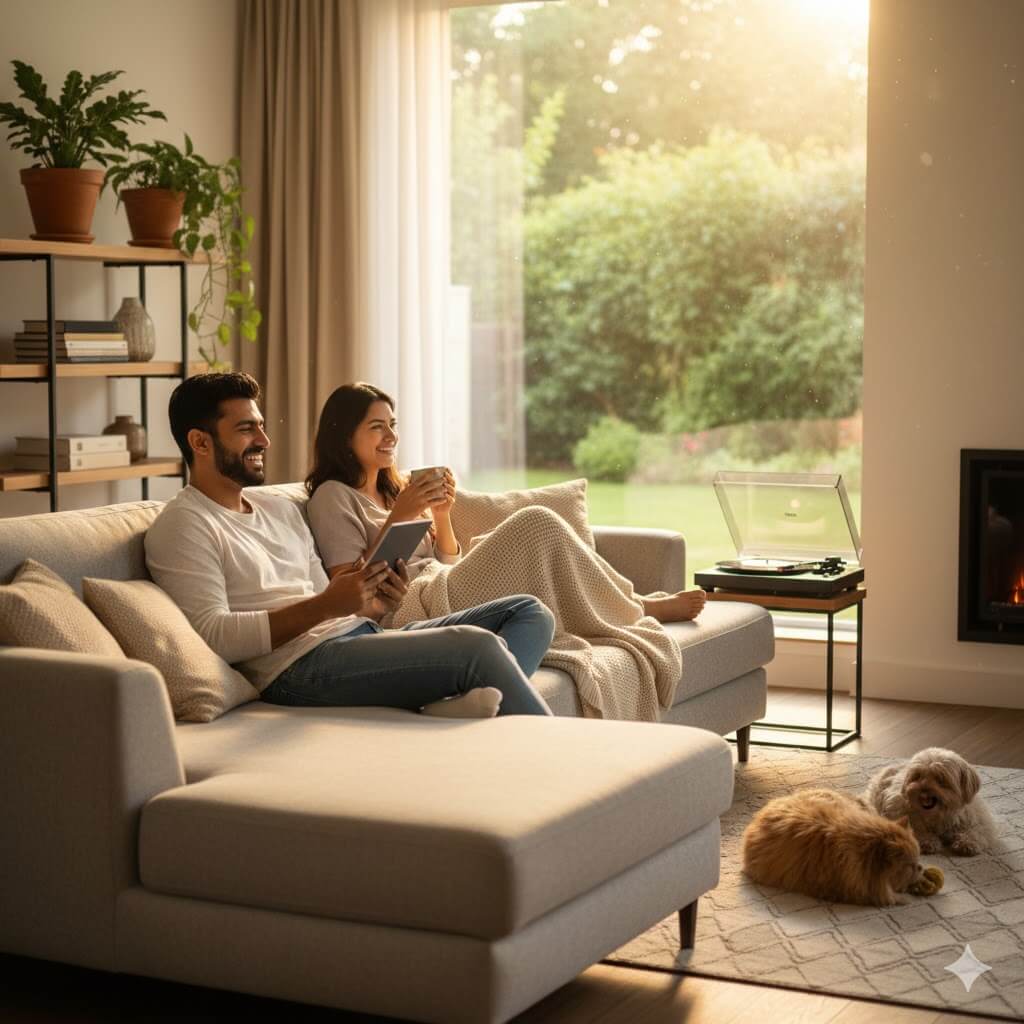
- Design open, airy spaces that encourage relaxation and movement.
- Use multi-functional furniture in smaller homes for efficient use of space.
4. Add Personal Touches and Memories
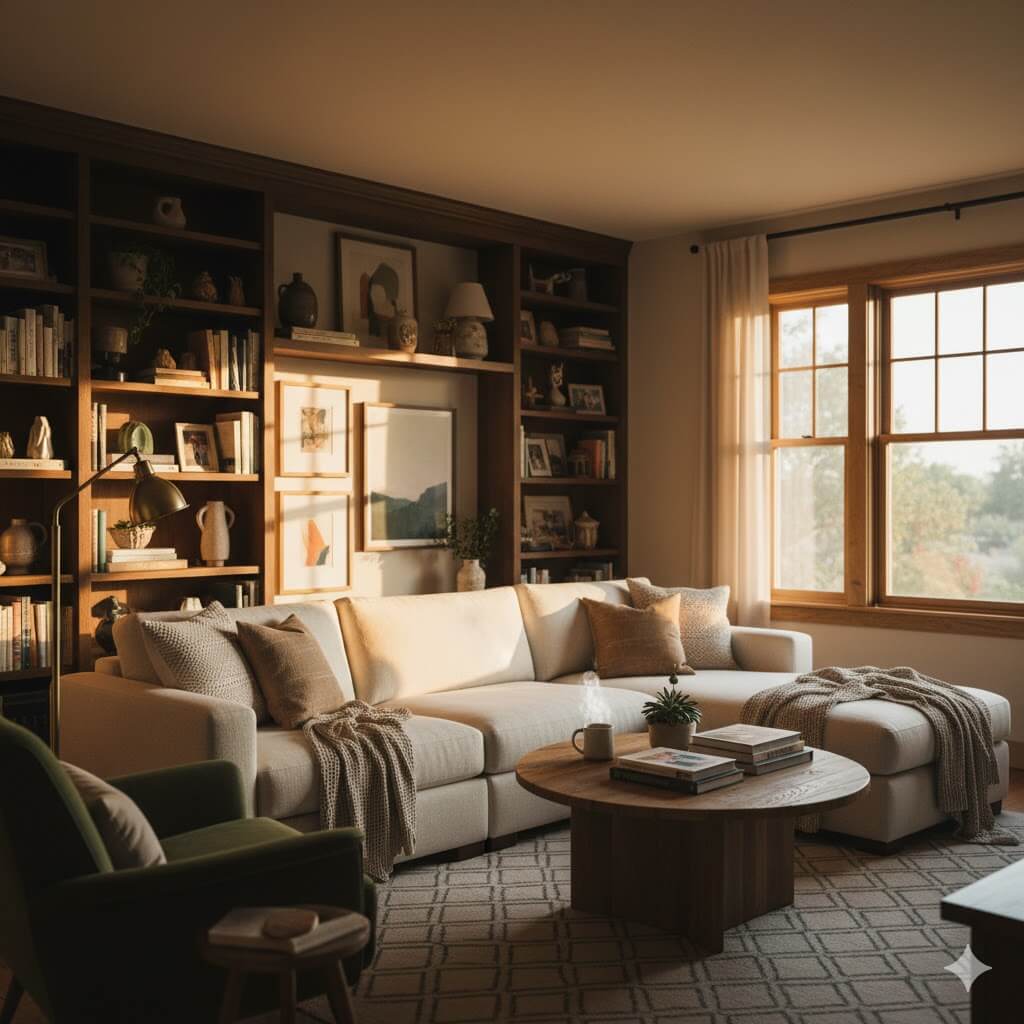
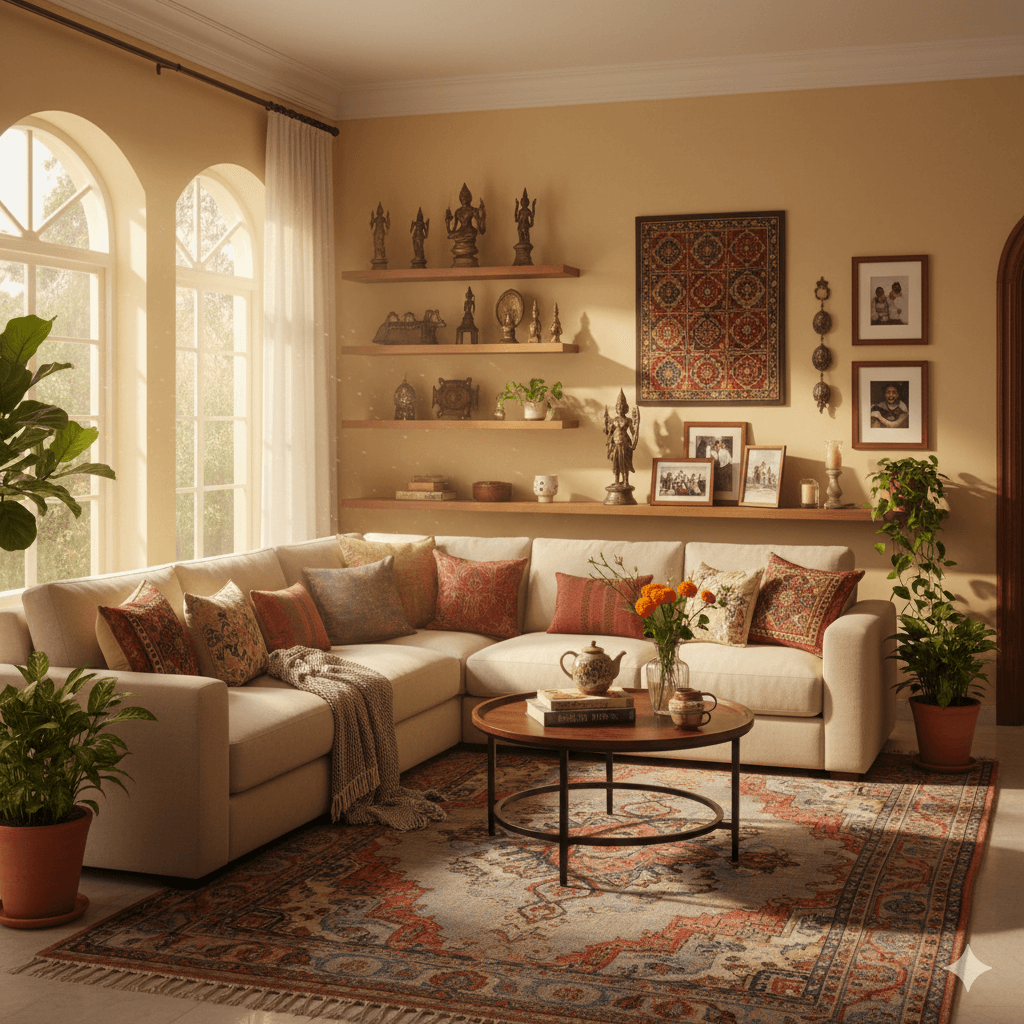
Your home should feel like an extension of your story. Incorporate elements that hold sentimental or emotional value.
- Display travel souvenirs, art, or photographs that tell your story.
- Mix vintage and modern elements to reflect personal evolution.
- Consider DIY decor pieces for a more authentic touch.
5. Light Up Your Space
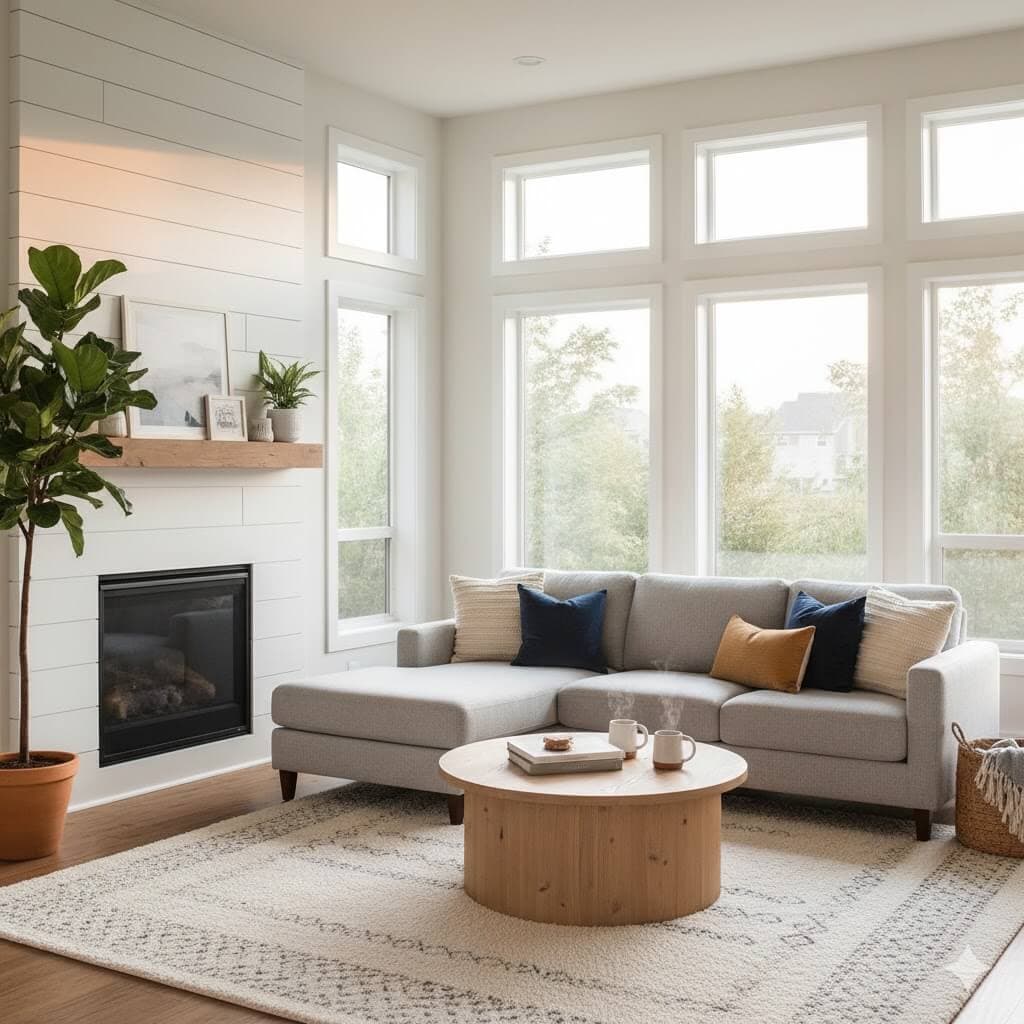
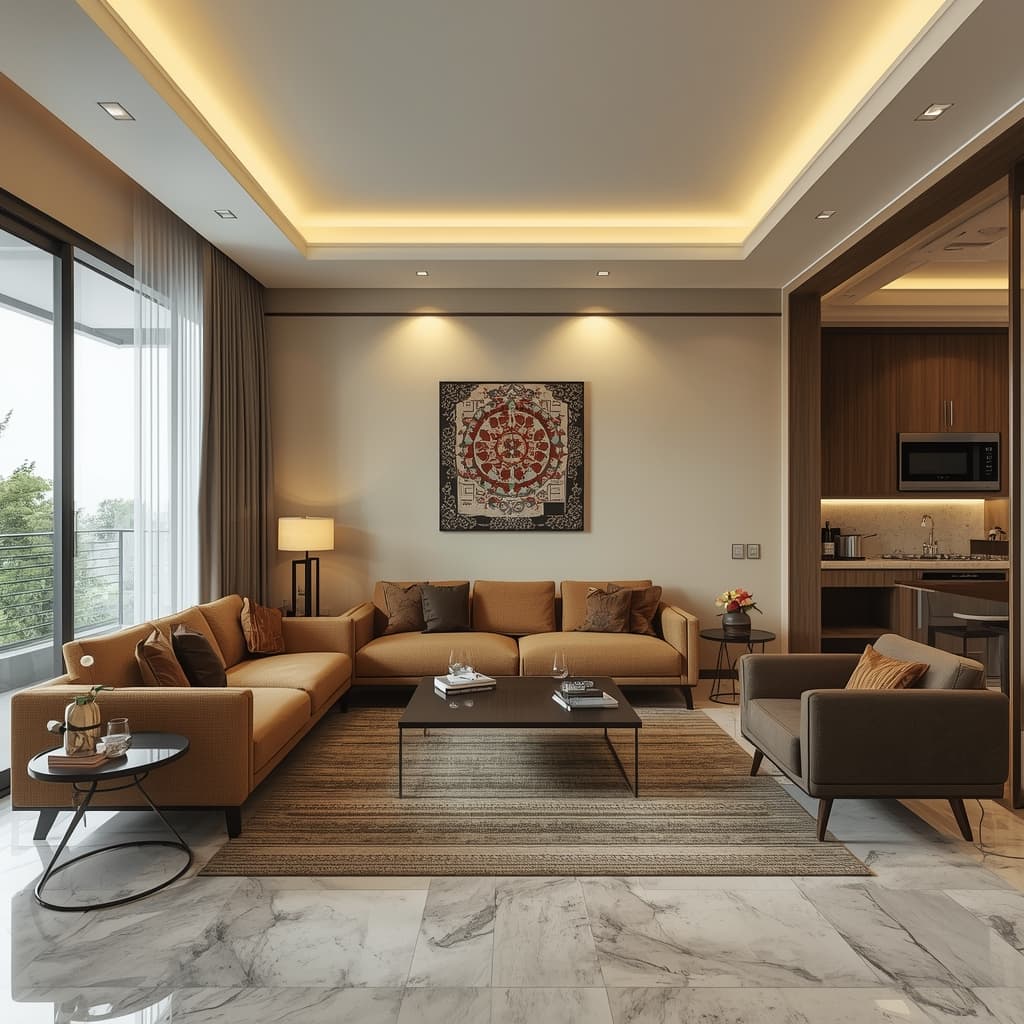
Lighting defines mood and highlights key design features. Layer natural and artificial lighting to enhance ambiance.
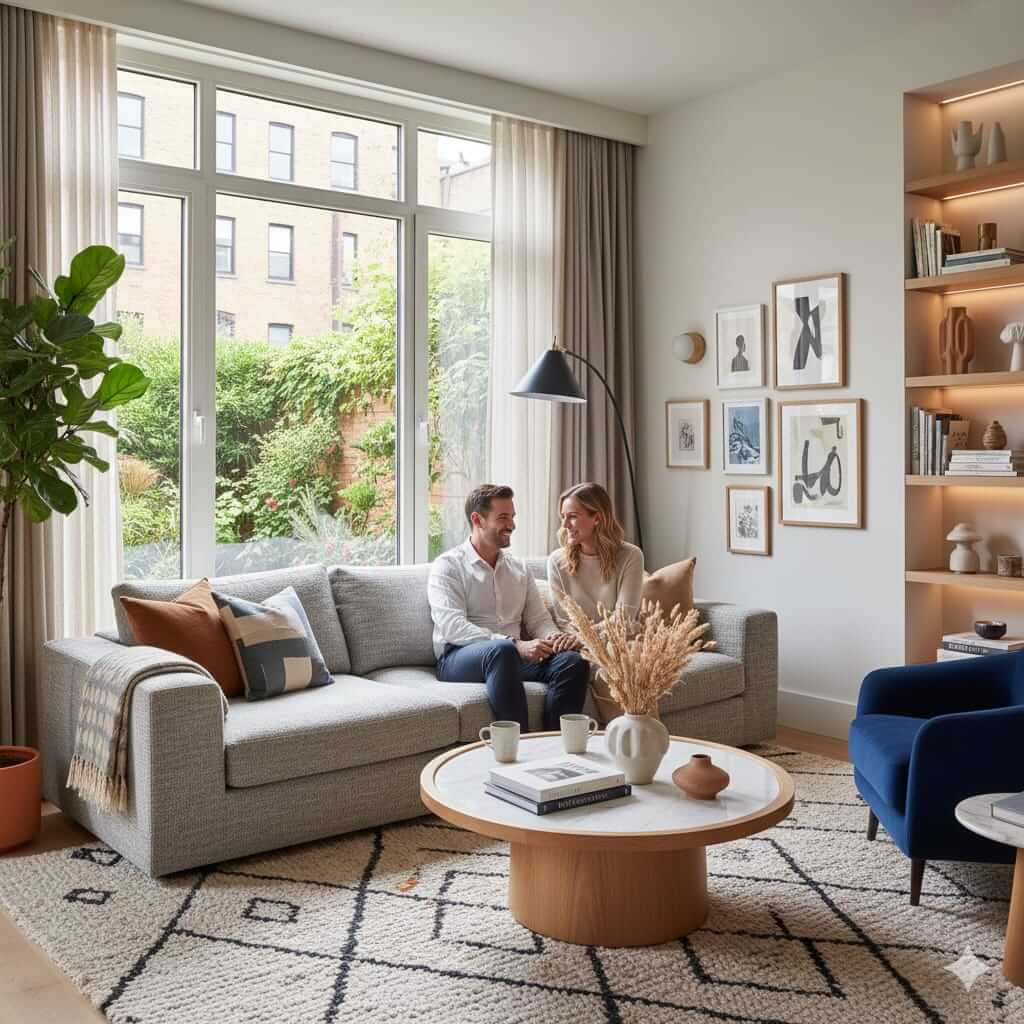
- Use large windows and sheer curtains to let in natural light.
- Incorporate pendant lamps, wall sconces, and warm LED lighting.
- Add accent lighting to highlight artwork or textures.
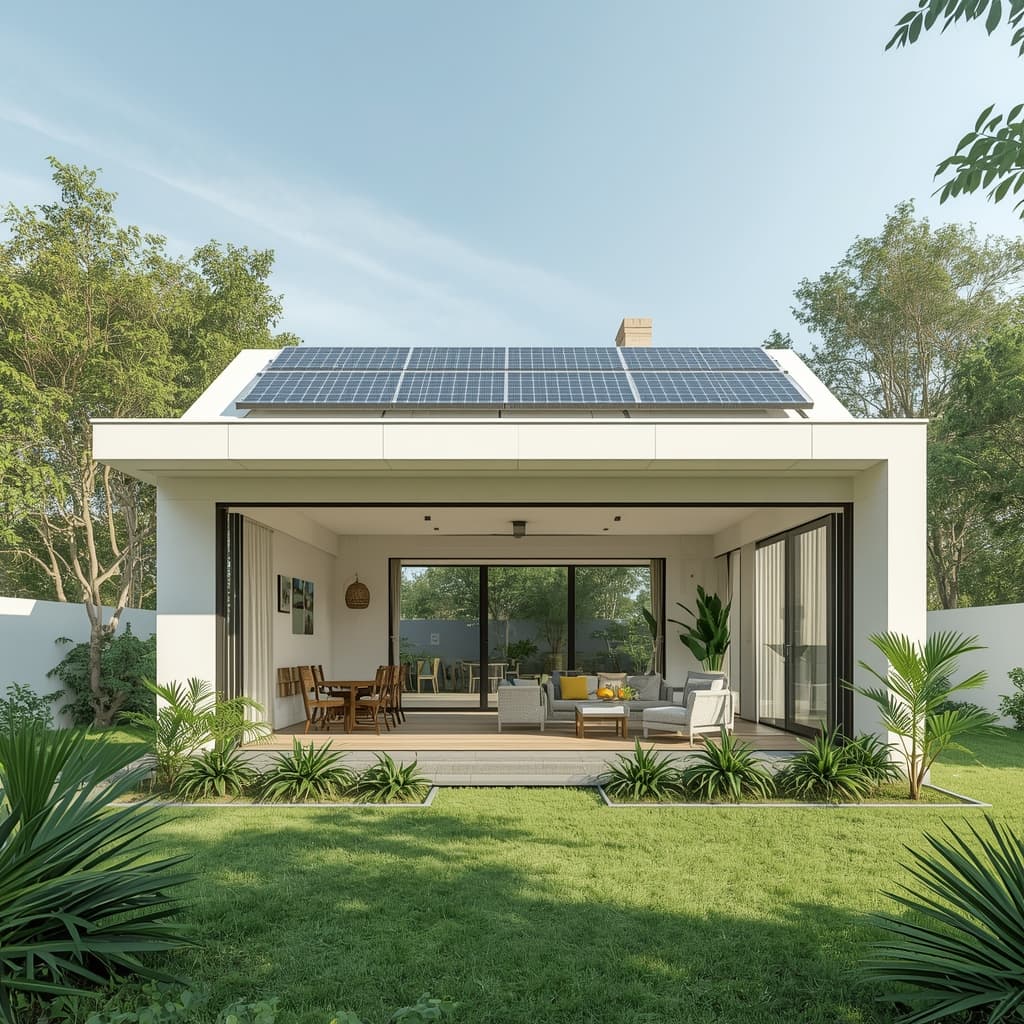
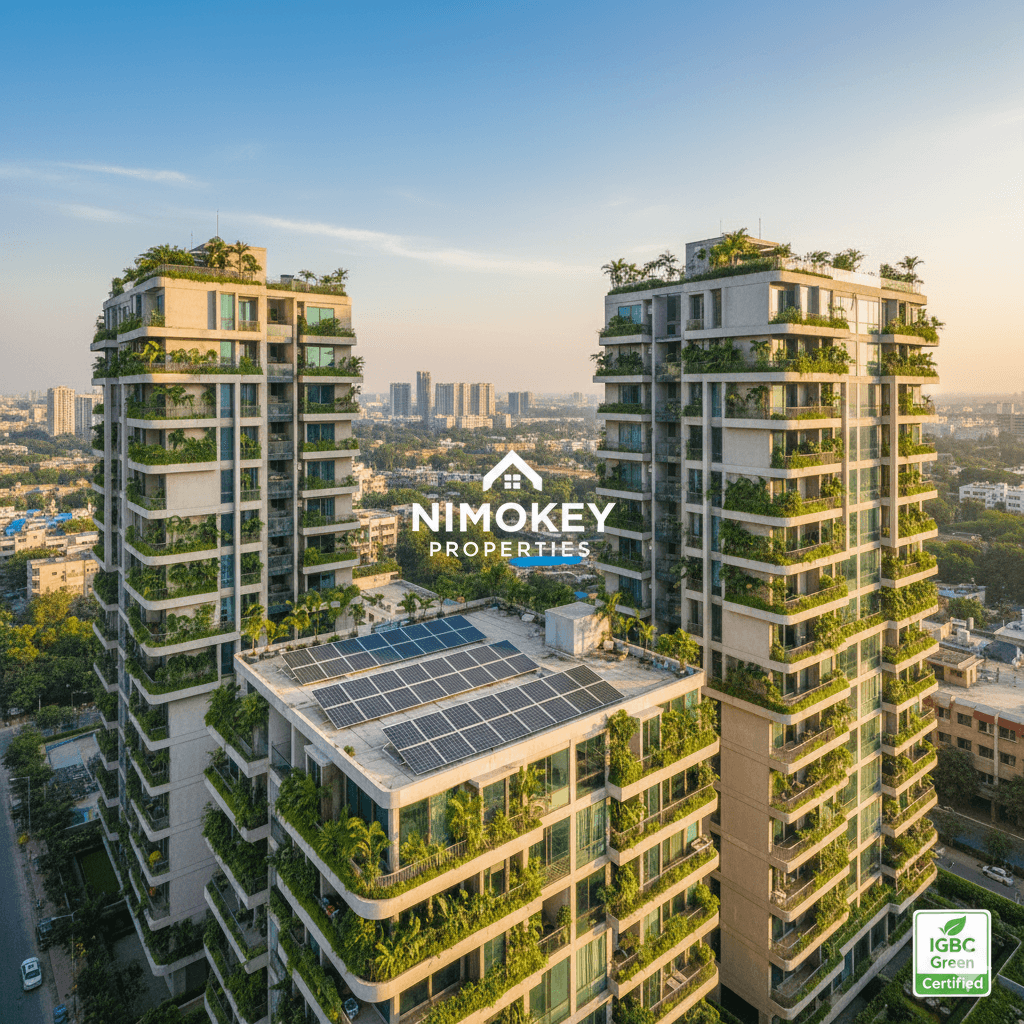
6. Blend Sustainability with Style
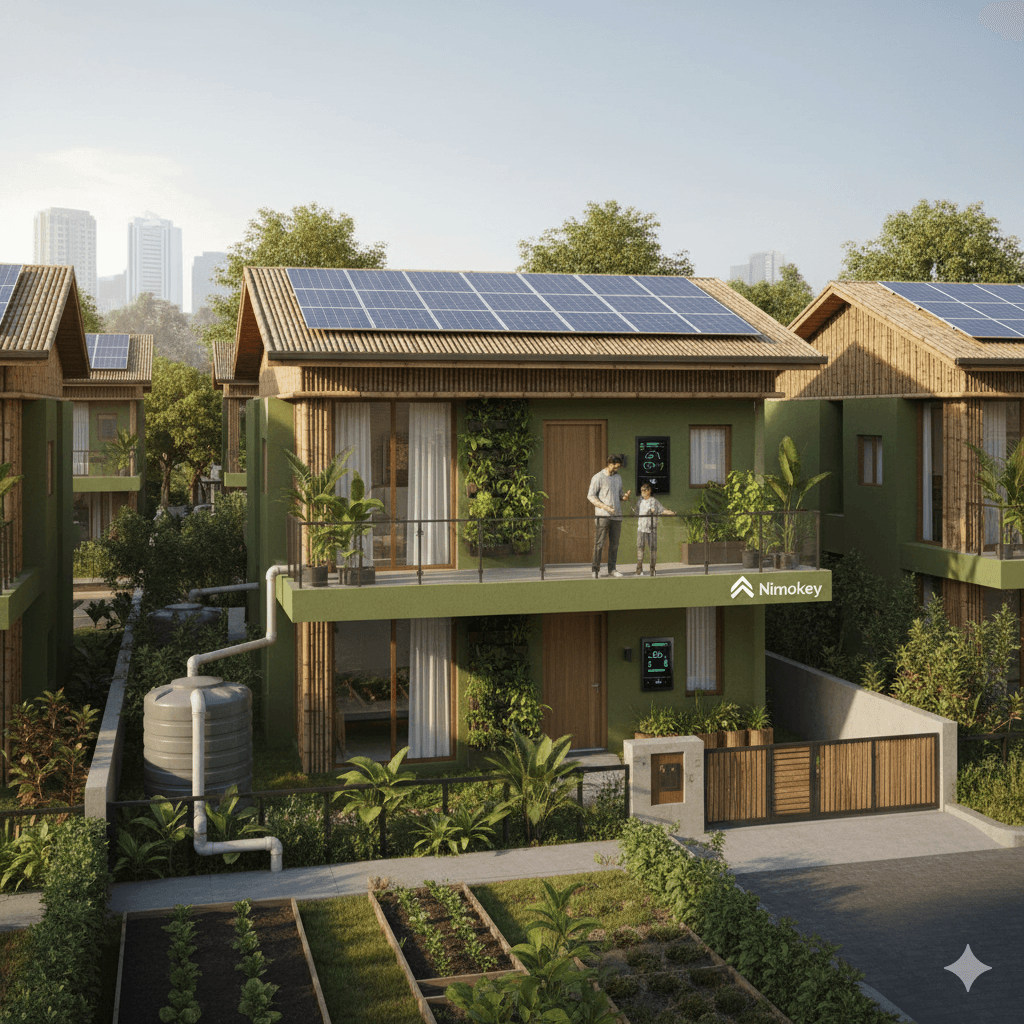
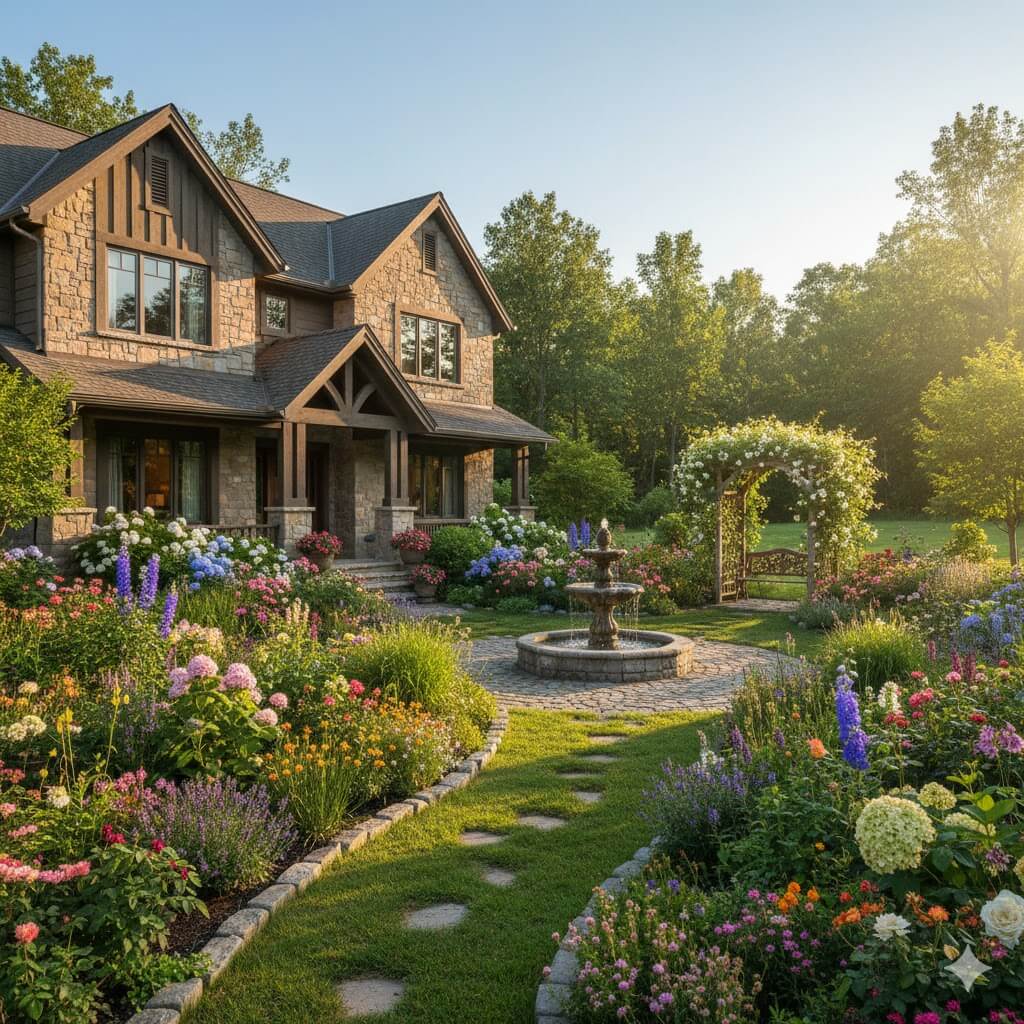
Eco-friendly homes are the future of design. Combine sustainability with comfort to create spaces that feel good and do good.
- Use recycled, locally sourced, or natural materials.
- Incorporate energy-efficient lighting and appliances.
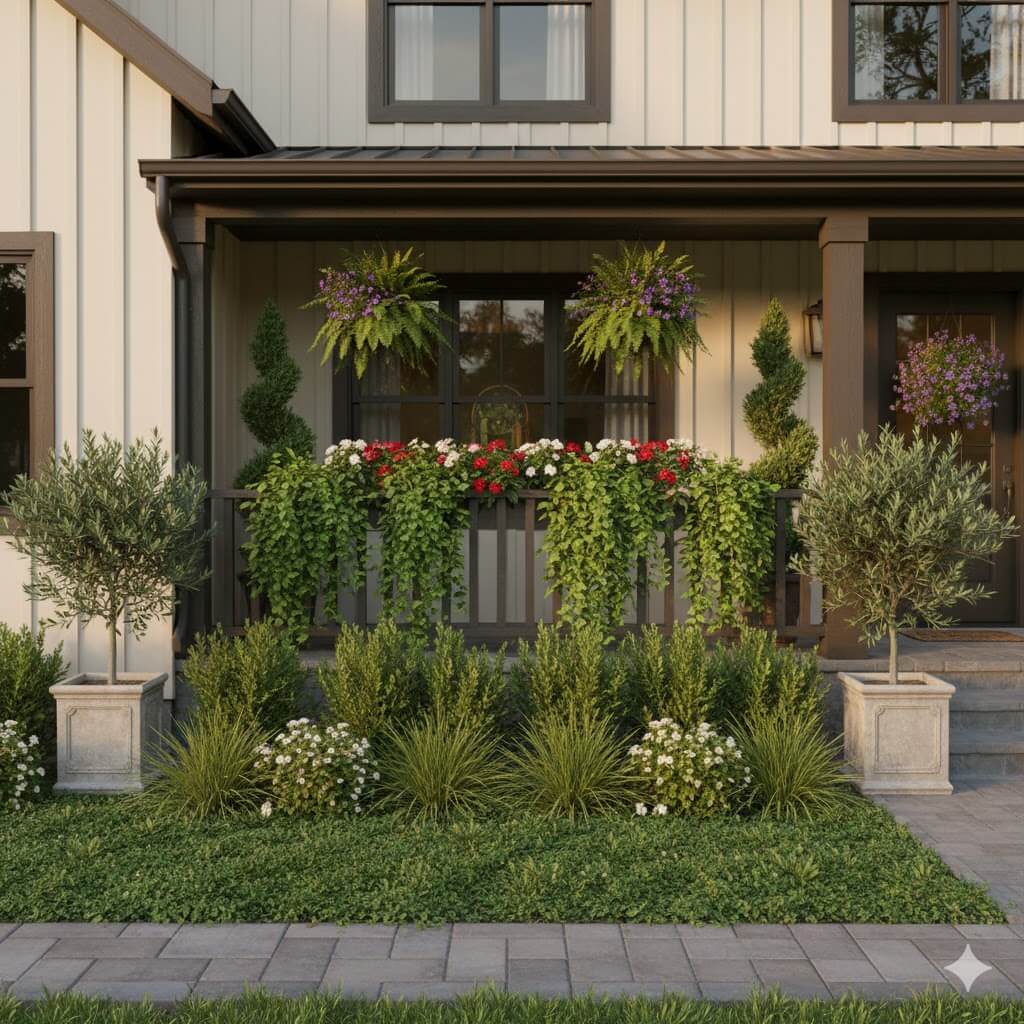
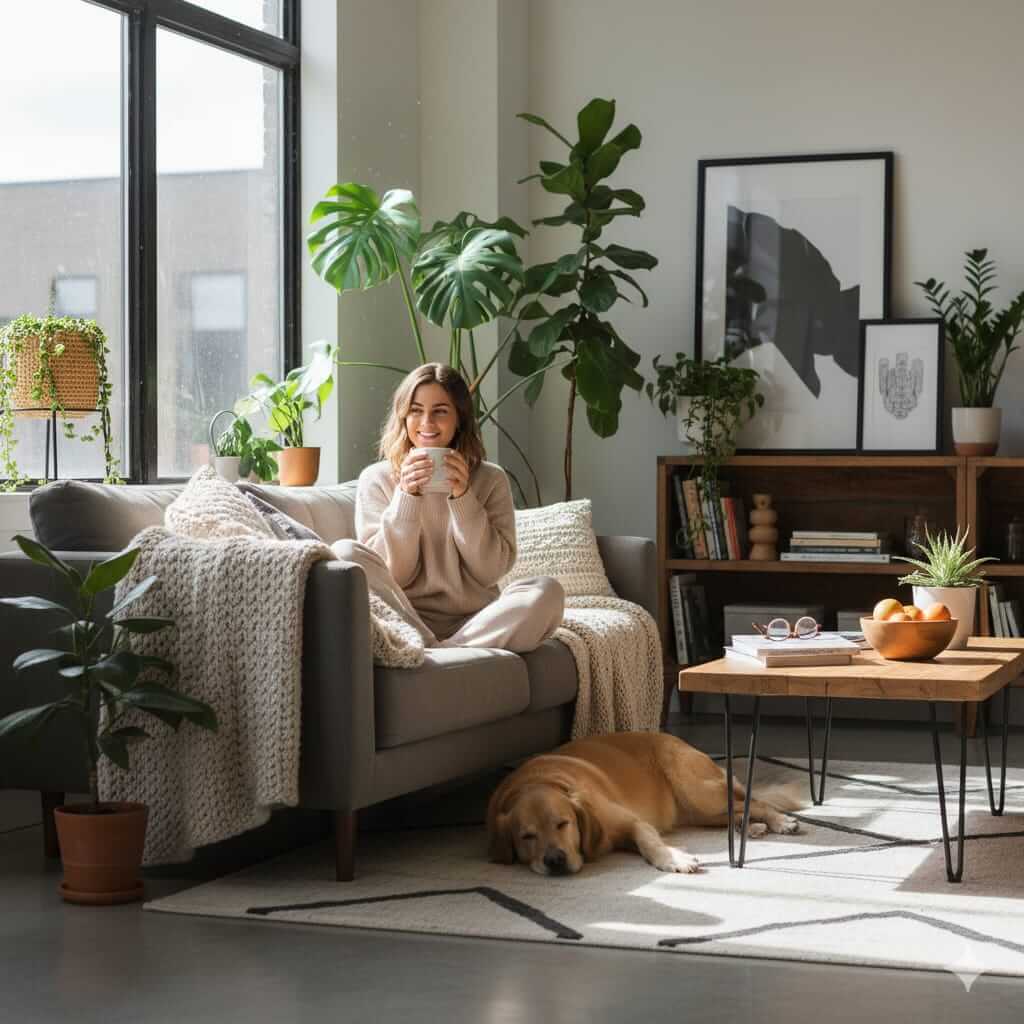
- Add plants to improve air quality and aesthetics.
7. Balance Open and Private Spaces
A well-designed home offers both shared and personal spaces. Plan zones for relaxation, productivity, and interaction.
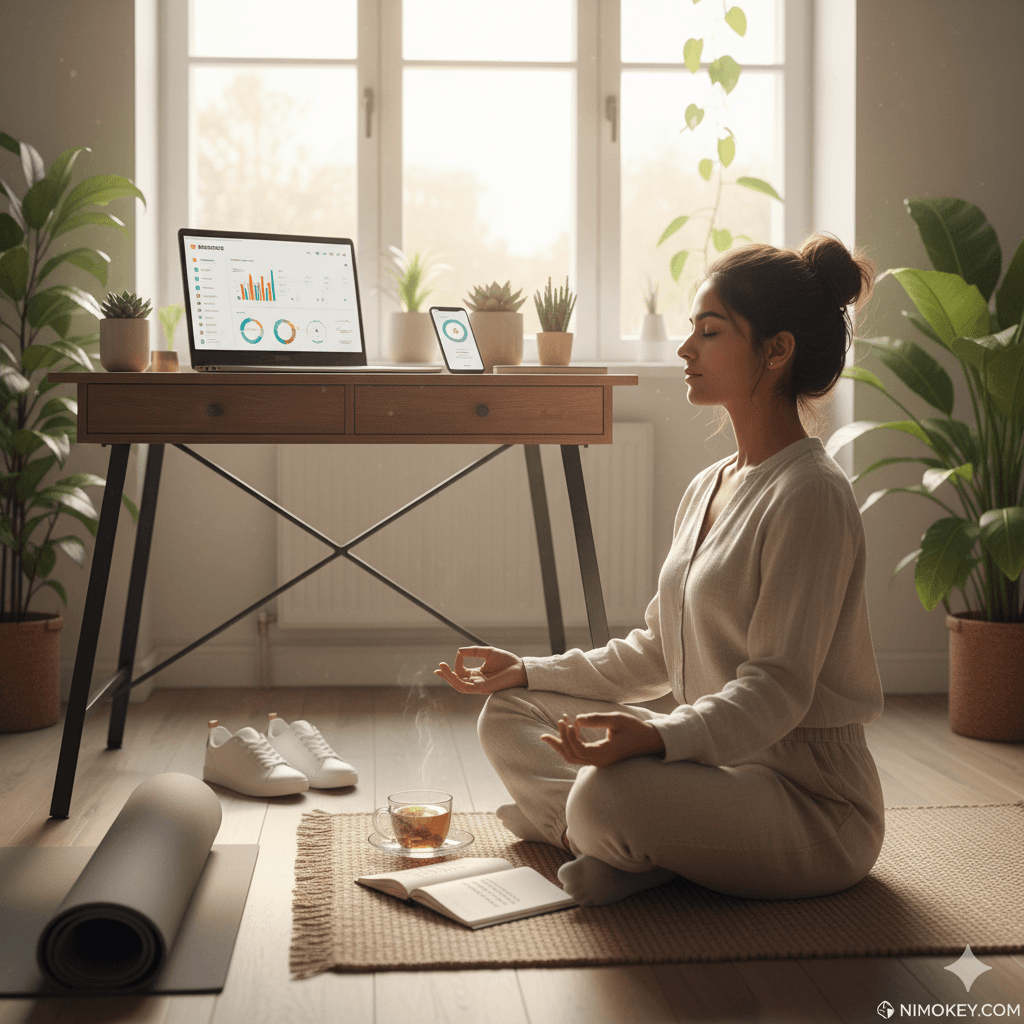
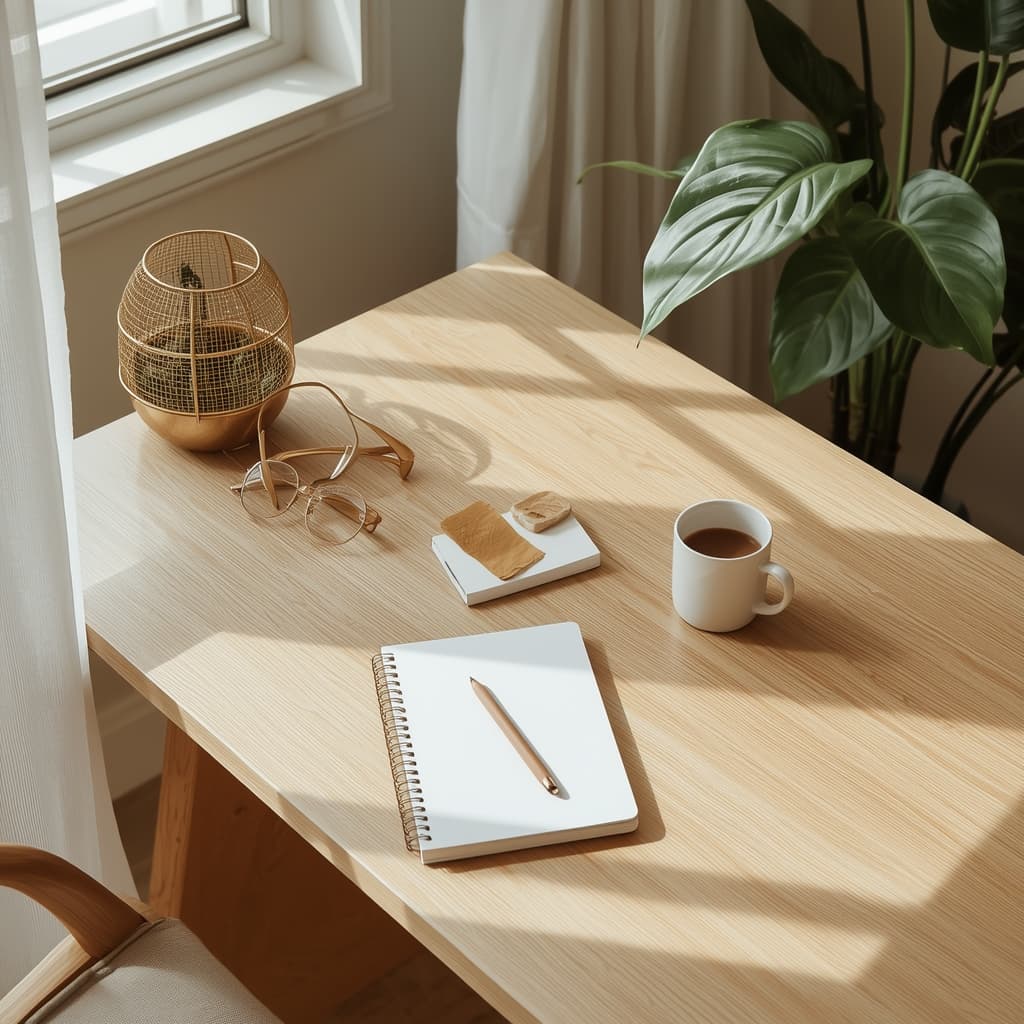
- Create cozy reading nooks or home offices with character.
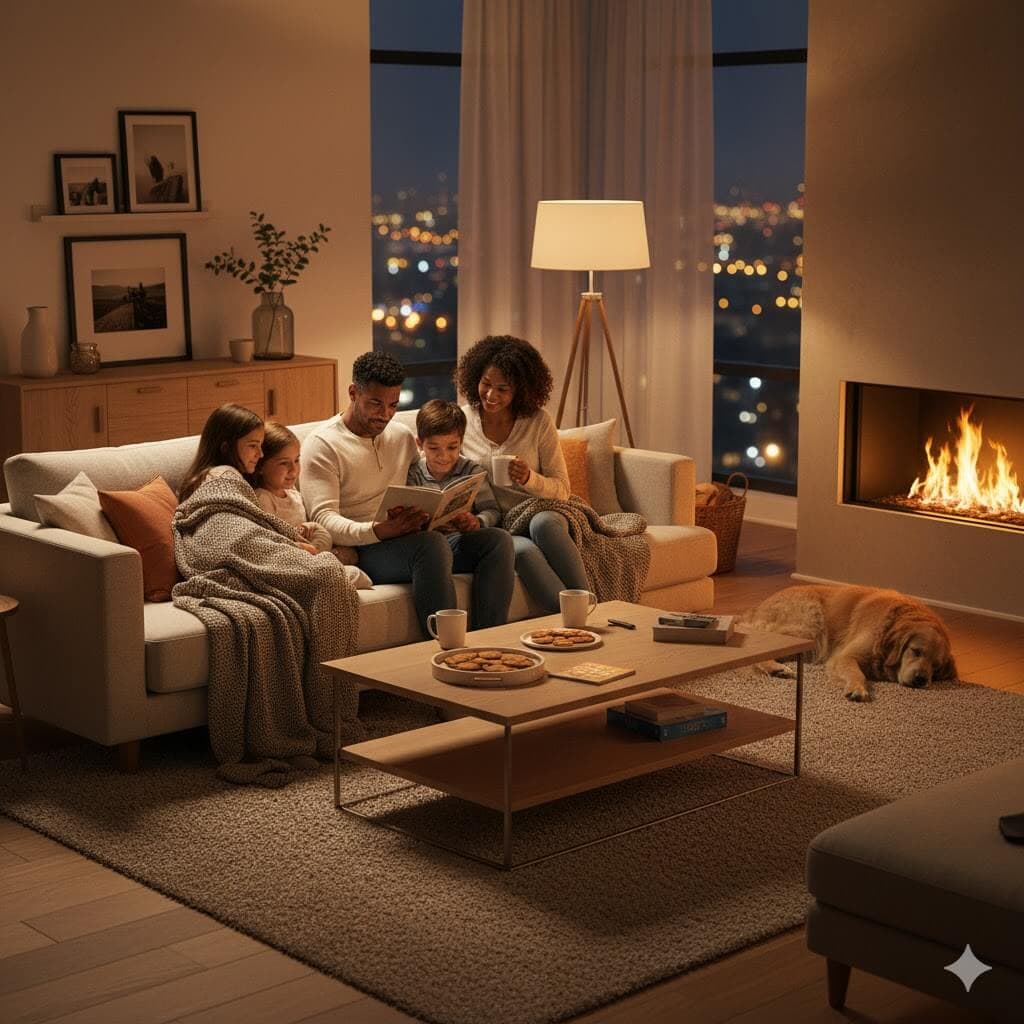
- Design open living areas that encourage family connection.
- Ensure bedrooms remain private, peaceful retreats.
Conclusion
Your home is a reflection of your identity, experiences, and dreams. By blending style with comfort, you can create a living space that's not only beautiful but deeply personal. Whether you're designing a new home or upgrading an existing one, let your personality guide every choice. Platforms like Nimokey provide inspiration, ideas, and expert resources to help you turn your home into a true expression of yourself.
About Ayushi Payal
Real estate expert with over 10 years of experience helping clients navigate the property market. Specializing in lifestyle and market analysis.